














In recent years, India has become one of the most important hubs for automobile manufacturing. From compact cars and SUVs to motorcycles and commercial vehicles, manufacturers in the country produce a wide range of vehicles that are exported to markets across Africa, the Middle East, Southeast Asia, and even parts of Europe and North America. Because of this growing reputation, many dealers and distributors around the world are exploring opportunities to import vehicles from India for their local markets.
However, importing a vehicle is not simply about choosing a model and arranging shipping. There are several factors buyers should understand before starting the process. Knowing how international vehicle trade works can help importers avoid delays, reduce costs, and ensure that the vehicles they purchase arrive safely and meet the regulations of their destination country.
Understanding the Export Process
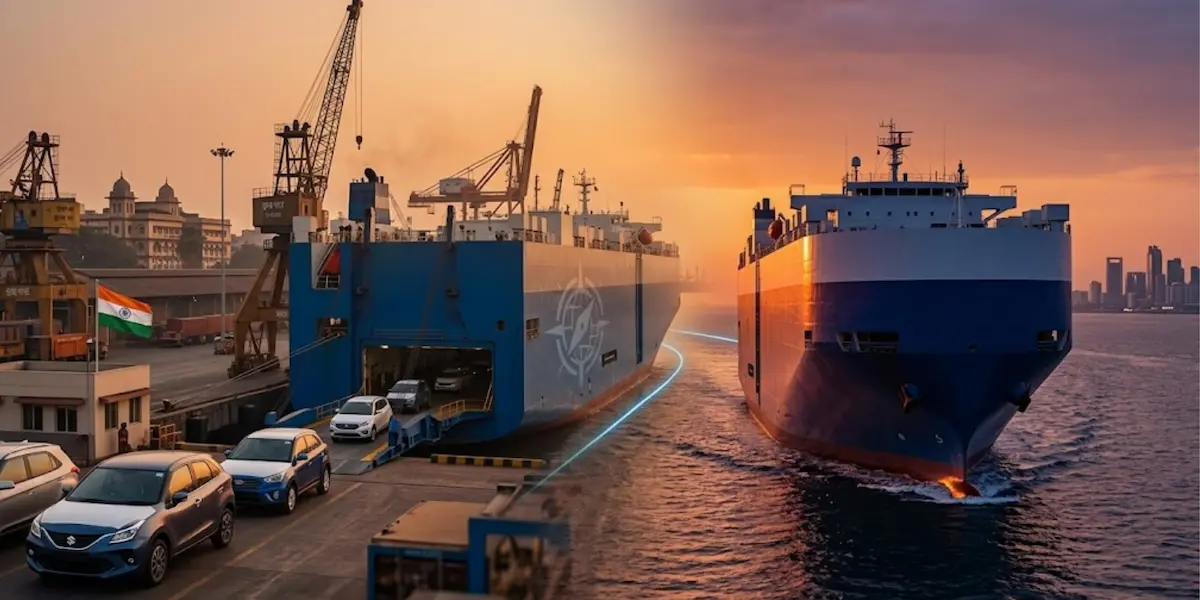
One of the first things to understand is how the vehicle export process works. When vehicles are exported from India, they typically move through several stages before reaching the buyer. After leaving the manufacturing facility, the vehicles are transported to an export yard or port where they undergo inspection and documentation checks. From there, they are prepared for international shipping.
Depending on the destination and the type of vehicle, shipping may happen through roll-on roll-off vessels or container transport. Once the shipment reaches the destination port, customs clearance and local inspections may take place before the vehicles can enter the market.
For businesses looking to export vehicles to USA from India or other international destinations, understanding this process helps set realistic timelines and expectations.
Knowing the Regulations of the Destination Country
Every country has its own rules regarding imported vehicles. These regulations can cover safety standards, emissions requirements, and documentation needed for customs clearance. In the United States, for example, vehicles must comply with standards established by federal agencies that regulate safety and environmental performance.
Importers should carefully check whether the vehicles they plan to buy meet the regulations of their country. In some cases, modifications or certifications may be required before a vehicle can be registered for road use. Understanding these requirements early can prevent costly complications later in the process.
Choosing the Right Vehicle for Your Market
Not every vehicle that performs well in one market will necessarily succeed in another. Climate conditions, road infrastructure, fuel prices, and consumer preferences all influence what kind of vehicles sell well.
For example, compact cars and fuel efficient motorcycles are often popular in densely populated urban areas, while pickup trucks and SUVs may be more suitable for regions with longer travel distances or rougher terrain.
When planning to import vehicles from India, it helps to study your local market and select models that match the needs of your customers.
Checking Vehicle Specifications and Compliance
Another important step is confirming the technical specifications of the vehicles you plan to import. This includes engine type, fuel compatibility, safety features, and emission standards. Buyers should also verify the manufacturing details such as the vehicle identification number, production year, and certification documents.
Accurate documentation ensures that the vehicle can pass inspections at the destination port and meet registration requirements once it reaches the buyer.
Understanding Shipping and Logistics
International vehicle shipping involves multiple logistics partners including freight companies, port authorities, and customs agents. The distance between India and the destination country also affects shipping time and cost.
For example, exporting vehicles from India to the United States may take several weeks depending on the port of departure and arrival. Importers should consider shipping schedules, insurance coverage, and handling procedures when planning their purchase.
Working with experienced exporters can simplify this process and help avoid common logistical challenges.
Verifying the Reputation of the Exporter
Trust plays a major role in international vehicle trade. Buyers should always research the exporter they plan to work with. Reliable exporters usually provide transparent documentation, clear communication, and support throughout the export process.
They can assist with inspection reports, shipping coordination, and export paperwork, ensuring that the transaction runs smoothly from start to finish.
Final Thoughts
Importing vehicles from India can be a valuable opportunity for dealers, distributors, and automotive businesses around the world. The country’s strong manufacturing base, competitive pricing, and wide variety of vehicles make it an attractive source for international buyers.
At the same time, success in vehicle import depends on understanding the process, complying with regulations, and working with experienced exporters who know the global automobile trade.
Companies like Horizon Enterprise operate in this space by helping international buyers export vehicles from India to different regions, including markets such as the United States. By guiding clients through documentation, logistics, and vehicle sourcing, exporters can make the process of importing vehicles far more efficient and reliable.