
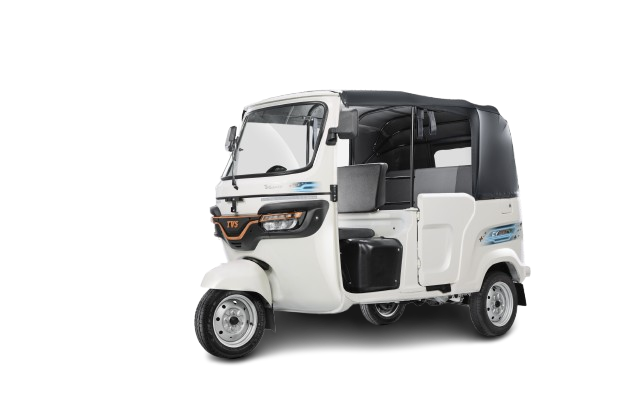













If we consider mobility in India, three-wheelers- either passenger rickshaws or goods carriers are at the heart of it. Away from the urban metropolitan cities, Indian three-wheelers are rural lifelines bringing people, goods, and opportunities together. Through their accessibility, affordability, and flexibility, they are one of the most important segments within India’s transport universe, and they are now reaching international demand through India export and import vehicles.
Why Three-Wheelers Matter in Rural India
In rural areas, access to proper transport directly impacts social and economic progress. Roads can be small, rough, or under constructed, which makes large vehicles inconvenient. That’s where three-wheelers excel.
- Affordable Mobility: With lower purchasing and maintenance prices, three-wheelers become the first preference for small business owners and families.
- Last-Mile Connectivity: They offer convenient transportation in villages and small towns where buses or cars cannot go.
- Employment Creation: Operating a rickshaw or cargo three-wheeler generates livelihoods, particularly for the less formally educated.
- Cargo Facilitation: Rural economies rely extensively on small-scale trade, agriculture, and micro-enterprises. Cargo three-wheelers facilitate farmers and traders to transport items such as vegetables, grains, or raw materials to nearby markets efficiently at low costs.
Economic Growth Through Three-Wheelers
The role of three-wheelers goes far beyond convenience, three-wheelers actually boost economic growth. For instance:
- Micro-entrepreneurship: Most families make a living from passenger rickshaw-generated income.
- Market Expansion: Artisans and farmers are able to reach wider markets, increasing sales and minimizing wastage.
- Tourism Boost: In rural tourist areas, three-wheelers provide an inexpensive mode of transport for tourists, benefitting local hospitality establishments.
These altogether spur rural development while mitigating regional disparity.
Global Demand for Indian Three-Wheelers
The efficiency and utility of Indian three-wheelers extend beyond national requirements. Indian three-wheelers are imported by numerous nations in Asia, Africa, and Latin America for cost-effective mobility solutions. Indian export and import of three-wheelers to cater to international demand are increasingly being promoted by companies and dealers.
The success of these vehicles overseas is attributed to:
- Cost-effectiveness in comparison to alternatives.
- Reliability of design for rugged terrains.
- Both conventional fuel and electric variants’ availability.
This export development is a great contribution to India’s economy, making India a leader in three-wheeler production and export.
The Future: Towards Sustainable Rural Mobility
With increasing environmental awareness, makers are launching electric three-wheelers. These green variants will lower the dependence on fuel and emissions while yet maintaining rural livelihoods. The export market for electric three-wheelers in India is also likely to increase, serving nations in search of sustainable and affordable means of mobility.
Conclusion
Three-wheelers are not just machines, they’re drivers of rural development. Through improved connectivity, job creation, and promoting trade, they make the rural economy robust. As the world’s markets keep buying three-wheelers from India, the value of these vehicles in influencing both regional and global mobility will be bound to increase.
For entrepreneurs who wish to grow, the industry of exporting and importing vehicles from India particularly three-wheelers provides huge potential.