
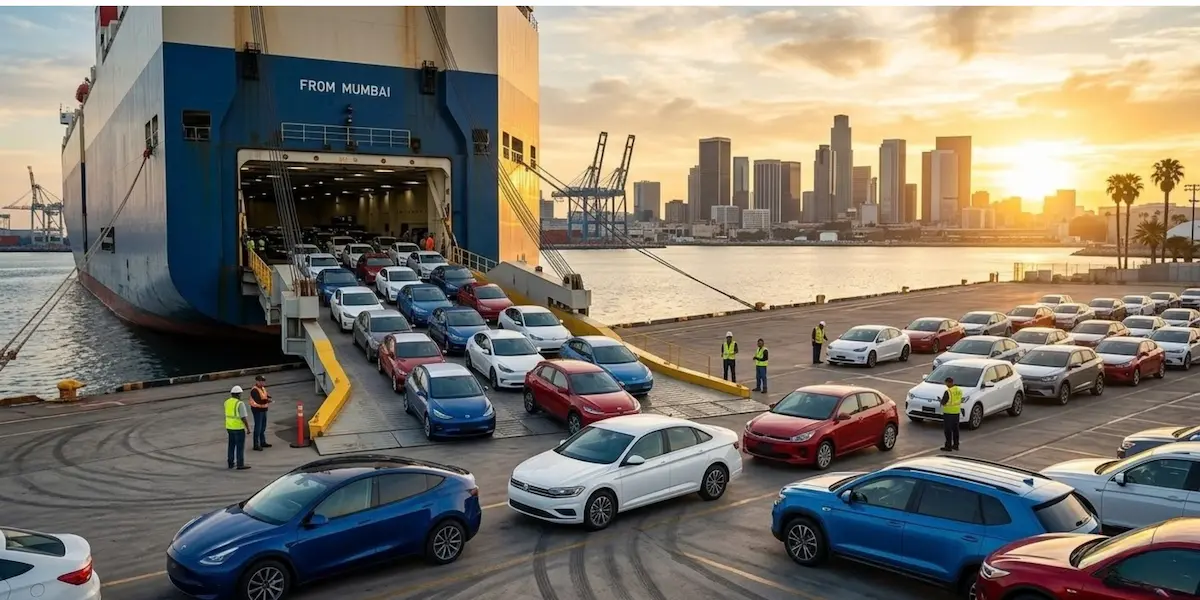
















The global electric vehicle revolution is moving fast. In the United States, EV adoption is growing every year, driven by climate goals, government incentives, and rising fuel costs. But there’s one major challenge that still slows down mass adoption: price.
Most electric cars in the U.S. still cost significantly more than traditional gasoline vehicles. While premium EVs from global brands dominate headlines, many consumers are still waiting for something simpler, reliable, affordable electric vehicles that don’t break the bank.
Interestingly, this is exactly where India’s electric vehicle industry could play a transformative role. Over the last few years, Indian manufacturers have begun producing low-cost, practical EVs designed for real-world conditions. For international buyers and automotive businesses, this raises an important question:
Could affordable electric vehicles from India eventually reshape the U.S. EV market?
Let’s explore why many industry experts believe the answer might be yes.
India’s Rising Role in Global Electric Vehicle Manufacturing
India has rapidly emerged as one of the world’s most promising EV manufacturing hubs. Government incentives, strong domestic demand, and a growing ecosystem of EV startups have pushed manufacturers to innovate quickly.
Unlike some markets that focus on luxury electric vehicles, India has taken a different approach: affordable mobility.
Manufacturers are building EVs that prioritize:
cost efficiency
energy efficiency
durability
simple and practical design
This focus has made electric vehicle export from India increasingly attractive for global markets looking for affordable alternatives.
For companies involved in import electric vehicles from India, this presents a unique opportunity to access a new category of cost-effective EVs.
Why Affordable EVs Matter for the U.S. Market
The U.S. EV market is growing rapidly, but affordability remains a barrier for many buyers.
According to recent market trends, the average price of a new electric vehicle in the U.S. often exceeds $50,000, putting it out of reach for many consumers. Even entry-level EVs typically cost far more than budget gasoline cars.
This is where best electric cars from India could introduce a new segment: affordable electric mobility.
Indian EV manufacturers are already producing vehicles that cost significantly less while still offering practical range and everyday usability. If regulatory barriers can be addressed, these vehicles could eventually create new opportunities for export vehicles to USA from India.
Electric Vehicles from India That Could Attract Global Attention
While many Indian EVs are currently designed for domestic markets, several models have the potential to gain international interest due to their affordability and efficiency.
Tata Tiago EV
The Tata Tiago EV is often considered one of the most affordable electric cars currently produced in India.
What makes it interesting globally is its balance of practicality and price. It offers:
a compact city-friendly design
a practical driving range suitable for daily commuting
significantly lower pricing compared to many global EVs
For urban drivers who simply need a reliable electric commuter vehicle, models like the Tiago EV represent the type of innovation emerging from India’s EV ecosystem.
Tata Nexon EV
The Tata Nexon EV has become one of India’s most successful electric SUVs. It combines:
modern styling
strong safety credentials
practical electric range
While positioned slightly higher than entry-level EVs, it still remains relatively affordable compared to many electric SUVs sold in global markets.
Vehicles like the Nexon EV demonstrate how best electric cars from India are beginning to compete in segments beyond basic commuter vehicles.
Mahindra XUV400 Electric
Mahindra, another major Indian automaker, has also entered the EV space with the XUV400 electric SUV.
This vehicle is designed to offer:
competitive driving range
spacious interiors
strong road presence
For global buyers looking for affordable electric SUVs, vehicles like the XUV400 show how Indian manufacturers are expanding into more sophisticated EV categories.
Why Indian Electric Vehicles Could Appeal to U.S. Importers
For automotive distributors, dealerships, and exporters, several factors make import electric vehicles from India an interesting possibility.
1. Competitive Pricing
One of India’s biggest advantages is cost-efficient manufacturing. Strong supplier networks and lower production costs allow Indian manufacturers to produce EVs at more accessible price points.
This could help fill a major gap in the U.S. market: budget-friendly electric vehicles.
2. Practical Design Philosophy
Many Indian EVs are designed for real-world driving conditions, including heavy traffic and long daily commutes.
This results in vehicles that emphasize:
energy efficiency
low maintenance costs
simple and practical engineering
These qualities can appeal to everyday consumers who want an EV primarily for daily transportation rather than luxury features.
3. Growing Global Export Ambitions
Indian automakers are increasingly looking beyond domestic markets. As EV production scales up, manufacturers are exploring opportunities for electric vehicle export from India to new regions around the world.
Export markets across Europe, Africa, Southeast Asia, and the Middle East are already seeing increasing interest in Indian electric vehicles.
For businesses focused on export vehicles to USA from India, this global expansion trend could open new doors in the future.
Challenges of Exporting Electric Vehicles to the USA
While the potential is exciting, exporting EVs to the U.S. also involves significant regulatory hurdles.
Vehicles entering the U.S. must comply with strict standards set by agencies such as:
the National Highway Traffic Safety Administration (NHTSA)
the Environmental Protection Agency (EPA)
These regulations cover areas such as:
safety standards
emissions compliance
battery safety regulations
Because of this, many EVs manufactured overseas must undergo certification processes before entering the American market.
However, as global EV trade continues to evolve, manufacturers are increasingly designing vehicles with international compliance in mind.
The Future of Electric Vehicle Exports from India
India’s EV industry is still developing, but its trajectory is clear. Investment in electric mobility continues to grow, and manufacturers are expanding both production capacity and technological innovation.
As battery technology improves and global EV demand rises, India could play an important role in supplying affordable electric vehicles to international markets.
For companies interested in import electric vehicles from India, this represents a market worth watching closely.
The next generation of best electric cars from India may not just serve domestic buyers, they could eventually help shape the global EV landscape.
And if that happens, the idea of exporting vehicles to USA from India may become far more common than many people expect today.